Claim Free Estimates for Painting Services
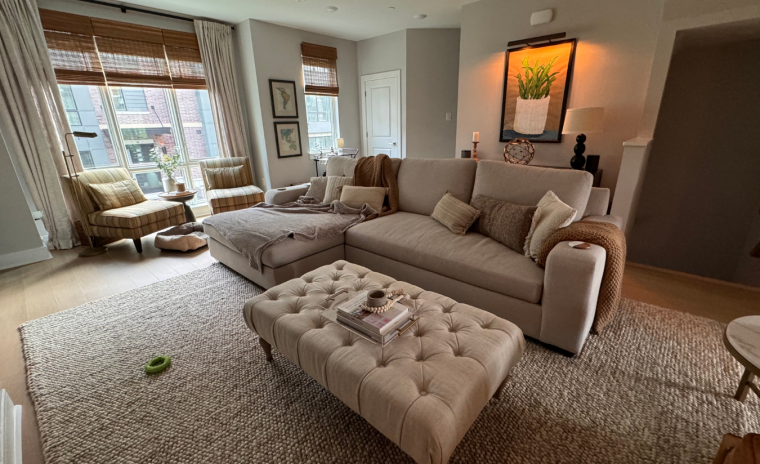
1. Embrace Bold, Saturated Accent Walls for Visual Impact
Bold, saturated accent walls have emerged as the defining strategy for homeowners seeking to add visual drama without overwhelming their spaces. This approach transforms a single wall into a focal point, using deep jewel tones like emerald, sapphire, or terracotta to create depth and personality. The technique works particularly well in LaGrange, where many homes feature traditional architecture that benefits from a contemporary color injection.
The key to successful accent wall execution lies in selecting the right wall and ensuring flawless application. Choose the wall that naturally draws the eye when you enter the room, typically the one behind a bed, sofa, or fireplace. In Kentucky’s climate, where humidity levels fluctuate between seasons, proper surface preparation becomes critical. Walls must be cleaned, primed, and allowed to cure completely before applying saturated colors, which tend to reveal every imperfection more readily than lighter shades.
Consider how natural light interacts with your chosen color throughout the day. North-facing rooms in LaGrange homes receive cooler, more consistent light, making them ideal candidates for warmer accent tones like burnt orange or deep coral. South-facing spaces flood with warm afternoon light, allowing you to experiment with cooler, more dramatic hues without the room feeling cold. When working with bold colors, precision in cutting in along trim and ceiling lines separates amateur work from professional results. An experienced interior painter brings the steady hand and technical knowledge needed to execute clean lines and achieve the rich, even coverage that saturated colors demand.
2. Layer Neutral Base Tones with Strategic Finish Variation
Layering neutral base tones with varied finishes and textures creates sophisticated depth that transcends the flat, sterile appearance of single-color applications. This technique involves selecting a family of warm or cool neutrals, such as greige, taupe, and cream, then distributing them strategically across walls, trim, and architectural details. The result feels intentional and curated rather than simply safe.
The sophistication of this approach reveals itself in the details. Paint your main walls in a warm greige with a matte or eggshell finish, then shift two shades lighter for the trim and ceiling using a semi-gloss finish. This subtle contrast adds dimension while maintaining the cohesive, serene atmosphere that makes neutral palettes so enduring. In LaGrange’s older homes, where crown molding, wainscoting, and built-in shelving provide natural opportunities for layering, this technique amplifies existing architectural character without competing with it.
Finish selection matters enormously when layering neutrals. Matte finishes absorb light and hide minor wall imperfections, making them ideal for main wall surfaces in living rooms and bedrooms. Eggshell finishes offer subtle luminosity and easier cleaning, suiting high-traffic areas like hallways and dining rooms. Semi-gloss finishes on trim create gentle contrast and stand up to the frequent cleaning that door frames and baseboards require. These finish distinctions become especially important during Kentucky’s humid summers, when moisture resistance affects long-term durability. Professional painters understand how to match the right finish to each surface, ensuring your layered neutral scheme maintains its refined appearance for years. Proper application technique prevents lap marks and maintains consistent sheen levels, details that separate exceptional work from merely adequate results.
3. Define Spaces with Clean Two-Tone Wall Divisions
Two-tone wall treatments inject architectural interest into spaces that lack original character, using horizontal or vertical color divisions to alter perceived room proportions. This technique traditionally appears as wainscoting or chair rail applications, but contemporary interpretations embrace unconventional heights and unexpected color pairings. The approach works especially well in LaGrange’s newer construction homes, where open floor plans benefit from visual definition that doesn’t require physical barriers.
Executing a clean two-tone division requires precise measurement, proper masking, and an understanding of color psychology. The traditional rule places the division at chair rail height (approximately 32 to 36 inches from the floor), with the darker color below anchoring the space and the lighter tone above creating airiness. However, modern applications often invert this formula or push the division higher (60 to 72 inches) to create drama in rooms with tall ceilings. In spaces where you want to emphasize width over height, consider a vertical two-tone treatment on a single accent wall, using painter’s tape to create crisp geometric divisions.
The technical challenge lies in achieving a perfectly straight division line with no color bleed. This demands high-quality painter’s tape, proper adhesion technique, and understanding how different paint viscosities behave along masked edges. In Kentucky’s variable climate, temperature and humidity during application affect how tape adheres and how quickly paint skins over, factors that dramatically impact the final result. Rushed or improper technique results in the frustrating jagged edges and touch-up needs that plague DIY att5. Integrate Matte and Velvet Finishes for Contemporary Sophistication
Highlighting existing architectural details through strategic color contrast breathes new life into features that often disappear when painted the same color as surrounding walls. Crown molding, baseboards, door casings, window frames, ceiling details, and built-in shelving gain prominence when rendered in shades that deliberately stand apart from the primary wall color. This technique allows homeowners to showcase the craftsmanship and character already present in their homes while creating clean, defined lines that guide the eye through the space.
The most timeless approach pairs crisp white or warm off-white trim with colored walls, a combination that works across virtually every design style from traditional to contemporary. For bolder modernization, consider deep charcoal or black trim against lighter neutral walls to create striking geometric definition, a trend gaining traction in urban and suburban Kentucky homes alike. Alternatively, matching your trim to your ceiling color while keeping walls distinct creates a cohesive envelope that makes rooms feel larger and more intentional.
In LaGrange and throughout the Louisville metro area, many older homes feature beautiful original woodwork, picture rails, and detailed molding that deserve emphasis rather than camouflage. The natural light patterns in Kentucky, which shift from bright summer sun to softer winter illumination, interact differently with contrasting trim throughout the year. High-contrast schemes become more dramatic during bright months, while subtler contrasts maintain visibility during overcast winter days. Humidity considerations also matter; professional-grade primers and paints ensure trim color remains crisp and does not yellow or fade over time, particularly on south-facing walls that receive sustained sun exposure.
Executing this technique demands precision. Uneven cut lines, paint bleed, and inconsistent coverage immediately undermine the clean, architectural effect you seek. An interior painter brings the steady hand and proper tools needed for flawless edges, particularly around intricate molding profiles and in corners where walls, ceiling, and trim converge. The investment in professional execution ensures your architectural elements become true focal points rather than distracting imperfections.
empts. Working with a skilled painting contractor ensures mathematical precision in layout, flawless tape application, and the patient technique required to remove masking at exactly the right moment for crisp, clean lines that define the entire aesthetic.
4. Highlight Architectural Elements with Contrasting Color
Highlighting existing architectural details through strategic color contrast breathes new life into features that often disappear when painted the same color as surrounding walls. Crown molding, baseboards, door casings, window frames, coffered ceilings, and built-in shelving all benefit from intentional color choices that celebrate rather than camouflage their presence. This technique proves particularly valuable in LaGrange’s historic homes, where original millwork represents craftsmanship worth showcasing.
The most effective approach involves creating sufficient contrast between architectural elements and wall surfaces without introducing visual chaos. A deep charcoal or navy wall paired with crisp white trim creates striking definition suitable for formal spaces like dining rooms and home offices. Softer contrast, such as warm cream trim against greige walls, offers subtle elegance appropriate for bedrooms and living areas. The goal remains consistent: drawing the eye to the three-dimensional quality of architectural features that add value and character to your home.
Technical execution determines whether this strategy elevates your space or creates a messy, amateur appearance. Cutting in along intricate molding profiles requires a steady hand, high-quality angled brushes, and patience to build coverage gradually rather than applying heavy, drip-prone coats. Door and window casings demand particular attention, as these high-touch surfaces reveal every drip, sag, or uneven coverage. In older homes, years of previous paint applications often obscure the crisp edges that make molding visually distinct, requiring careful scraping and sanding before new paint application.
Kentucky’s seasonal temperature swings cause wood trim to expand and contract, occasionally opening hairline cracks at joints and corners. Skilled painters address these imperfections during preparation, using appropriate caulking techniques that flex with the wood rather than cracking away. They also understand how different surfaces, such as painted wood trim versus painted drywall, accept paint differently and adjust their technique accordingly. When architectural details span multiple rooms, maintaining color and sheen consistency across gallons of paint requires proper mixing and application practices. The meticulous attention this work demands explains why homeowners who attempt it themselves often feel frustrated by results that fall short of their vision, while those who invest in professional execution enjoy spaces that feel custom and considered.
5. Integrate Matte and Velvet Finishes for Contemporary Sophistication
Highlighting existing architectural details through strategic color contrast breathes new life into features that often disappear when painted the same color as surrounding walls. Crown molding, baseboards, door casings, window frames, ceiling details, and built-in shelving gain prominence when rendered in shades that deliberately stand apart from the primary wall color. This technique allows homeowners to showcase the craftsmanship and character already present in their homes while creating clean, defined lines that guide the eye through the space.
The most timeless approach pairs crisp white or warm off-white trim with colored walls, a combination that works across virtually every design style from traditional to contemporary. For bolder modernization, consider deep charcoal or black trim against lighter neutral walls to create striking geometric definition, a trend gaining traction in urban and suburban Kentucky homes alike. Alternatively, matching your trim to your ceiling color while keeping walls distinct creates a cohesive envelope that makes rooms feel larger and more intentional.
In LaGrange and throughout the Louisville metro area, many older homes feature beautiful original woodwork, picture rails, and detailed molding that deserve emphasis rather than camouflage. The natural light patterns in Kentucky, which shift from bright summer sun to softer winter illumination, interact differently with contrasting trim throughout the year. High-contrast schemes become more dramatic during bright months, while subtler contrasts maintain visibility during overcast winter days. Humidity considerations also matter; professional-grade primers and paints ensure trim color remains crisp and does not yellow or fade over time, particularly on south-facing walls that receive sustained sun exposure.
Executing this technique demands precision. Uneven cut lines, paint bleed, and inconsistent coverage immediately undermine the clean, architectural effect you seek. An interior painter brings the steady hand and proper tools needed for flawless edges, particularly around intricate molding profiles and in corners where walls, ceiling, and trim converge. The investment in professional execution ensures your architectural elements become true focal points rather than distracting imperfections.